Introduction
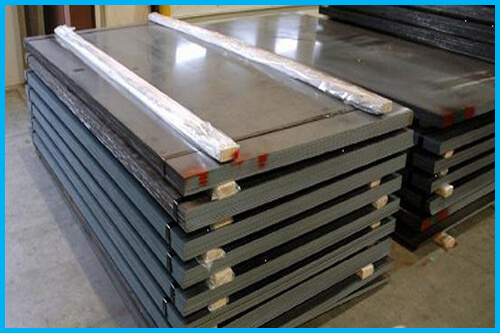
In many industrial operations, equipment constantly faces abrasion, impact, and friction from handling heavy and abrasive materials. Over time, these conditions can cause significant wear on machinery surfaces, leading to frequent maintenance and costly downtime. Wear Plates are specially designed steel plates that provide strong protection against such harsh conditions.
Wear Plates are engineered to resist abrasion and surface damage while maintaining durability and structural strength. Because of their excellent resistance to wear, these plates are widely used in industries such as mining, construction, cement production, power generation, and bulk material handling. Their ability to protect critical equipment surfaces makes them an essential component in modern industrial operations.
Body
Wear Plates are manufactured using advanced metallurgical processes that enhance hardness and durability. These plates are designed to perform in environments where equipment is exposed to constant friction from materials such as gravel, coal, sand, ores, and aggregates. By acting as a protective layer, Wear Plates help prevent excessive surface damage and extend the lifespan of machinery components.
One of the key advantages of Wear Plates is their ability to handle severe abrasion without losing structural integrity. Industries such as mining and quarrying rely heavily on equipment that operates continuously in contact with abrasive materials. Without proper protection, this equipment can wear out quickly. Installing Wear Plates significantly reduces the rate of wear, helping machinery operate more efficiently and for longer periods.
Another important aspect of Wear Plates is their versatility. These plates are available in different hardness levels and thicknesses, allowing industries to select the most suitable option for specific working conditions. In addition, they can be fabricated into various shapes using proper cutting and welding techniques, making them suitable for a wide range of industrial components.
Wear Plates also contribute to reduced maintenance costs. By protecting equipment from rapid deterioration, they help minimize repairs and replacements, ensuring smoother and more reliable industrial operations.
Key Features
Wear Plates provide several advantages that make them valuable in heavy-duty applications:
High Abrasion Resistance for protection against surface wear
Strong Durability suitable for harsh working environments
Extended Equipment Life by reducing material damage
Reliable Impact Resistance in demanding operations
Available in Various Hardness Levels for different industrial needs
Fabrication Compatibility allowing cutting and welding with proper procedures
Types
Wear Plates are available in several types based on their hardness and industrial use:
Abrasion Resistant Plates – Designed specifically to withstand abrasive materials
Quenched and Tempered Wear Plates – Offer high hardness and toughness
Overlay Wear Plates – Produced with an additional wear-resistant layer
Custom Fabricated Wear Plates – Manufactured according to specific machinery requirements
Each type is selected based on the level of abrasion and operational demands.
Applications
Wear Plates are widely used in industries where equipment faces constant abrasion:
Mining Industry – Crushers, dump truck bodies, and screening equipment
Construction Equipment – Excavator buckets, loaders, and attachments
Cement Plants – Hoppers, chutes, and conveyor transfer points
Power Plants – Coal handling systems and material transfer equipment
Bulk Material Handling – Conveyor liners and wear-resistant surfaces
Their durability and wear resistance make them essential for protecting equipment in demanding environments.
Conclusion
Wear Plates play a vital role in protecting industrial machinery from abrasion and mechanical damage. With their high hardness, strong durability, and reliable performance, they help extend equipment life and reduce maintenance costs.
For industries dealing with harsh working conditions and abrasive materials, Wear Plates offer a practical and effective solution. Their ability to improve equipment reliability and operational efficiency makes them an indispensable material in modern heavy industries.